




-
-
custom recycled packagingABOUT DSLPACK
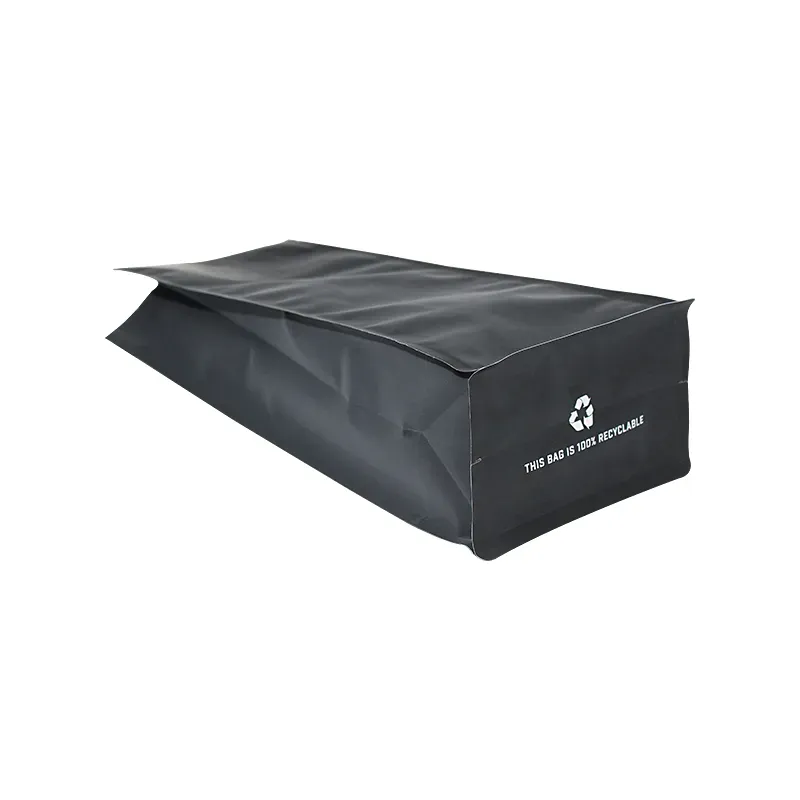
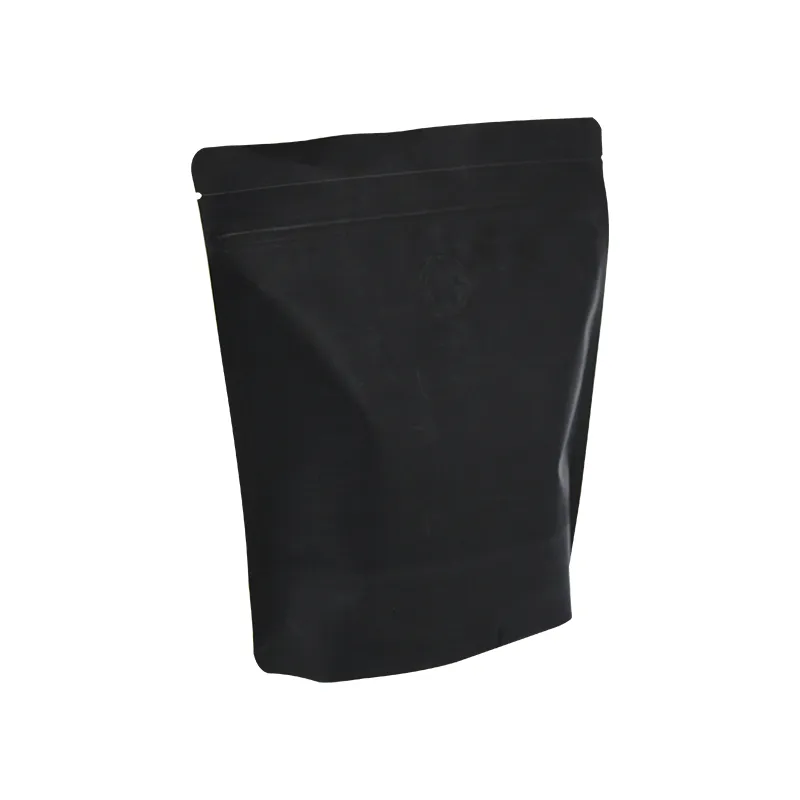
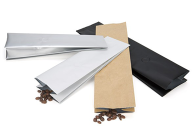
100% Recyclable Pouches – The Future of Sustainable Custom Packaging Exploring the Innovations, Applications, and Industry Benchmarks of 100% Recyclable Flat Bottom Pouch Product Page FAQ Global Trends and Market Outlook for Recyclable Pouches As environmental awareness accelerates worldwide, the packaging industry is experiencing a profound shift from traditional plastics and laminates toward eco-friendly, resource-efficient, and fully recyclable pouches . These innovative products, including recyclable shipping bags , sustainable product packaging , and sustainable takeaway packaging options, have seen explosive growth in markets such as the US, EU, and Asia-Pacific. According to Grandview Research , the global green packaging market size reached USD 274.15 billion in 2023 and is forecast to grow at a CAGR of 6.9% through 2030—largely propelled by surging demand for sustainable custom packaging and recyclable pouches . Core Performance & Market Data of Recyclable Pouches vs. Traditional Packaging (2023-2024) Indicator Recyclable Pouches Traditional Plastic Pouches Compostable Packaging Material Base Monomaterial PE/PP PET/AL/PE, Mixed Films PLA, PBAT, Starch Recyclability (%) 99.8 <10 — Barrier Performance (OTR/ WVTR) OTR: 1.8, WVTR: 0.8 (g/m 2 /24h) OTR: 0.9, WVTR: 0.6 OTR: 18+, WVTR: 15+ CO 2 per 1,000 pkgs (kg) 2.1 7.3 1.6 Compliance/Certification ISO 14021, EN 13430, FDA FDA, EU10/2011 EN 13432, ASTM D6400 Typical Industries Food, Cosmetics, Pharma, Pet Food, Chemicals Food, Feed Food (Short Shelf Life) Estimated Lifespan (years) 6+ 10+ — With consumer demand, government regulation (e.g. EU Packaging Levy, US State Plastics Bans), and major brands (Nestlé, Unilever, DSM) driving sustainable product packaging forward, recyclable pouches are positioned as a cornerstone of circular economy logistics and green retail. Product Overview: 100% Recyclable Flat Bottom Pouch Product Name: 100% Recyclable Flat Bottom Pouch Producer: DSL Packaging Product Page: Details Key Technologies: Monomaterial PE/PP; Solvent-Free Lamination; High Barrier Coatings Core Markets: Recyclable shipping bags , sustainable food, coffee, snacks, pet food, pharmaceuticals, household chemicals Certifications: ISO 9001, ISO 14001, FDA, BRC, EN 13430 Shelf Life: 2-6 years (depending on product type & contents) 100% Recyclable Flat Bottom Pouch is a next-gen monomaterial flexible package designed for full recyclability in industry-standard PE/PP waste streams. Engineered for durability, printability, and excellent barrier properties without metal foils or multi-polymer layers, it enables brands to meet circular packaging mandates while maintaining product shelf life and user appeal. Manufacturing Process: From Resin to Recyclable Pouches Workflow Diagram: Recyclable Pouches Production Steps Virgin / PCR Resin Cast/Blow Extrusion Mono PE/PP Film Printing- Gravure/ Solvent-free Coating/Laminate Pouch Converting Flat Bottom, Gusset Inspection Resin Selection – Source virgin or Post-Consumer Recycled (PCR) PE/PP resins; meets FDA , EN/ISO 14021 standards. Cast/Blow Extrusion – Film is extruded under ISO 9001/14001 certified lines; precise thickness (40-150μm), uniform melt flow, low haze. High-Resolution Printing & Lamination – Up to 10-color gravure or digital inks, solvent-free adhesives, and tailored barrier coatings (e.g. EVOH or SiOx layers). Pouch Converting – PE-based films die-cut, gusseted, and thermally sealed into flat bottom pouches; fully automated and dust-controlled workshop. Quality Control/Testing – Rigorous inspection per ISO 22000 , EN 13430 ; includes seal strength (≥35N/15mm), OTR/WVTR, drop, and flex testing. Material Highlights: Monomaterial PE/PP: Ensures full compatibility with LDPE/HDPE recycling streams, preventing contamination. No Aluminum Foil: Reduces carbon footprint; supports transparency and color vibrancy in recyclable pouches . Food Contact Safe: Meets FDA, EU 10/2011, GB4806.6 standards. Technical Parameters: Recyclable Pouches vs. Conventional Packaging Typical Specification: 100% Recyclable Flat Bottom Pouch Parameter 100% Recyclable Flat Bottom Pouch Standard Foil Laminated Pouch Film Thickness (μm) 60-140 70-160 Oxygen Transmission Rate (OTR, g/m 2 /24h) <2 <1.2 Moisture Vapor Transmission Rate (WVTR) 0.8 0.6 Tensile Strength (MPa) ≥35 ≥28 Drop Test (1.8m, 1kg) Pass x 5 Pass x 3 Sustainable Certifications ISO 14021, EN 13430 None/Partial Printing Colors Up to 10 Up to 8 Shelf Life 24-72 Months 36-84 Months Recyclability 99.8% <10% Key outperformance: The recyclable pouches demonstrate outstanding recyclability and user safety while closely matching traditional laminates in barrier protection and print quality—fulfilling sustainability mandates without sacrificing branding or shelf life. Vendor Comparison: How Recyclable Pouches Stand Out Major Vendors: Green Credentials & Differentiators Vendor Recyclability Grade Certifications Sustainable Options Customization Application Areas DSL Packaging 100% (EN 13430) ISO 14001, BRC, FDA Monomaterial, PCR, Bio Coatings Unlimited: size, print, fitments Food, Pet Food, Pharma, Chemical Amcor >95% (Ceflex, How2Recycle) ISO, FDA Mono PE/PP, part PCR High Snacks, Confectionery, Homecare Mondi 85-100% (pending) ISO 14001 Recyclable Film, Select Compostables High Fresh, Bakery, Dry Foods Huhtamaki 90%+ ISO, FDA Mono Polymer, Paper Medium Food, Healthcare Customization: Unleashing Brand-to-Consumer Value Sizes: 50g – 15kg, tailored fill volume, with custom gussets, spouts, or degassing valves on demand. Print: HD flexo/gravure up to full wrap; metallic, matte, or spot varnishes for premium shelf impact. Functional Fit: Choice of zippers, handles, Euro-slots, laser score lines for easy opening, product window inserts. Compliance: All primary and transport packs meet FDA , EN13430 , and ISO14001 compliance; certificates available upon request. Delivery & Guarantee: Lead time: 15–21 days (custom), 2–3 days (stock) Sample service & Dieline support: Free for B2B Quality warranty: 24 months, with traceability & batch control 24/7 technical aftersales for packaging process and filling/machinery issues Application Cases: Sustainable Custom Packaging in Action Successful Deployments Across Industries 1. Premium Coffee Brands (Food & Beverage): LIFECO (Nordic): Reduced packaging waste by 98 tons/year with recyclable pouches , using custom degassing valves and one-way barrier coating. Improved aroma retention by 37% in shelf-life tests (ASTM F2714). ROI in 10 months. GoodBean (USA): Achieved “How2Recycle” certification for all flat bottom bags since 2022; report 23% lower consumer complaints on package opening/closure vs. legacy bags. 2. Pet Food & Feed: PetHarvest (Europe): Switched all secondary and shipping packs to recyclable shipping bags ; lowered transport carbon emissions by 43% (EY audit), reduced seal failure rate to <0.3% in summer shipping. 3. Takeaway & “Eco Food” Packaging: GreenBox Asia: Chose sustainable takeaway packaging pouches for 14,000+ daily hot & cold orders; improved anti-leakage rating by 34%, user NPS up by 22 points. 4. Cosmetics & E-Commerce: PureEss: Adopted recyclable pouches for lotion sachets & refill packs, reducing annual plastic waste by 7.2 tons (2024) and unlocking new sustainability marketing channels. Data Visualization: Performance & Market Share of Recyclable Pouches Insight: As illustrated, recyclable pouches are rapidly taking share from conventional packaging—particularly in food, beverage, and e-commerce channels—thanks to ongoing material & barrier improvements and robust compliance. FAQ: Recyclable Pouches Materials, Standards, and Best Practices 1. What is the primary material used in recyclable pouches ? They employ mono-material PE (polyethylene) or PP (polypropylene) films, often incorporating post-consumer recycled (PCR) content. These materials allow the pouches to enter standard store or curbside recycling streams effectively. 2. How does the Oxygen Transmission Rate (OTR) affect food safety? Lower OTR values (<2g/m²/24h) signify superior barrier performance—reducing food degradation, expanding shelf life, and protecting sensitive products (coffee, nuts, pharma). 3. Which certifications should reputable suppliers meet? Key certifications include ISO 9001 (quality), ISO 14001 (environmental), EN 13430 (recyclability), FDA (US food contact), and/or BRC for hygiene. Ask suppliers for test/lab reports and batch traceability. 4. What are typical pouch sizes and customization options? From 50g to 15kg: customizable dimensions, print/brand options (up to 10 colors), and closures (zippers, spouts, handles, valves, special openings) for various markets from snacks to chemicals. 5. What installation and filling standards apply? Pouches are suitable for direct filling with automated vertical or horizontal form fill seal (VFFS/HFFS) lines. Standards include ISO 22000 and ANSI/PMMI compliance for food process safety. 6. How does sustainable takeaway packaging perform in extreme environments? Monomaterial recyclable p
-

-
 Complete Motorcycle Assembly Kits for Enthusiasts Ready to Build Your Dream Bike2026-04-03 22:38Motorcycle Kits in a Box The Ultimate Experience for Riders and DIY Enthusiasts Motorcycling is more than just a mode of transportation; it is a lifestyle, a passion, and for many, a form of self-expression. With the demand for personalized motorcycles on the rise, the concept of motorcycle kits in a box has emerged as a game-changer for riders and DIY enthusiasts alike. These kits allow individua
 -
 cmyk file format2026-04-03 21:10Understanding CMYK File Format A Guide for Designers and Print Professionals The world of digital printing and graphic design is continually evolving, and with it comes a variety of file formats. Among these, the CMYK format stands out, particularly for its critical role in producing high-quality printed materials. This article aims to explain what CMYK is, why it matters, and how to effectively u
 -
 coffee bag label design2026-04-03 20:43The Art of Coffee Bag Label Design More Than Just a Label In the world of coffee, the bag that holds your favorite brew is not just a vessel; it’s a canvas for storytelling, branding, and consumer engagement. Coffee bag label design plays a crucial role in attracting customers, conveying quality, and expressing the unique character of each blend. As competition increases among coffee brands, a wel
- No. 6 Hefu Road, Hengjiang Industrial Zone, Gaoming District, Foshan, Guangdong Province,China
- Tel: 86-133 3649 8096
- Email:enid@bc-pak.com
-


